
From the discovery site to the workshop in Germany
Kauri wood comes from the north of New Zealand’s North Island and is one of the most extraordinary woods in existence. Living kauri trees are among the mightiest trees on Earth: they can grow over 50 meters tall, reach trunk circumferences of up to 16 meters, and live for over 2,000 years. The Swamp Kauri processed today is ancient wood preserved in swamps and oxygen-poor soils, which, depending on the find, can be between 800 and 60,000 years old.
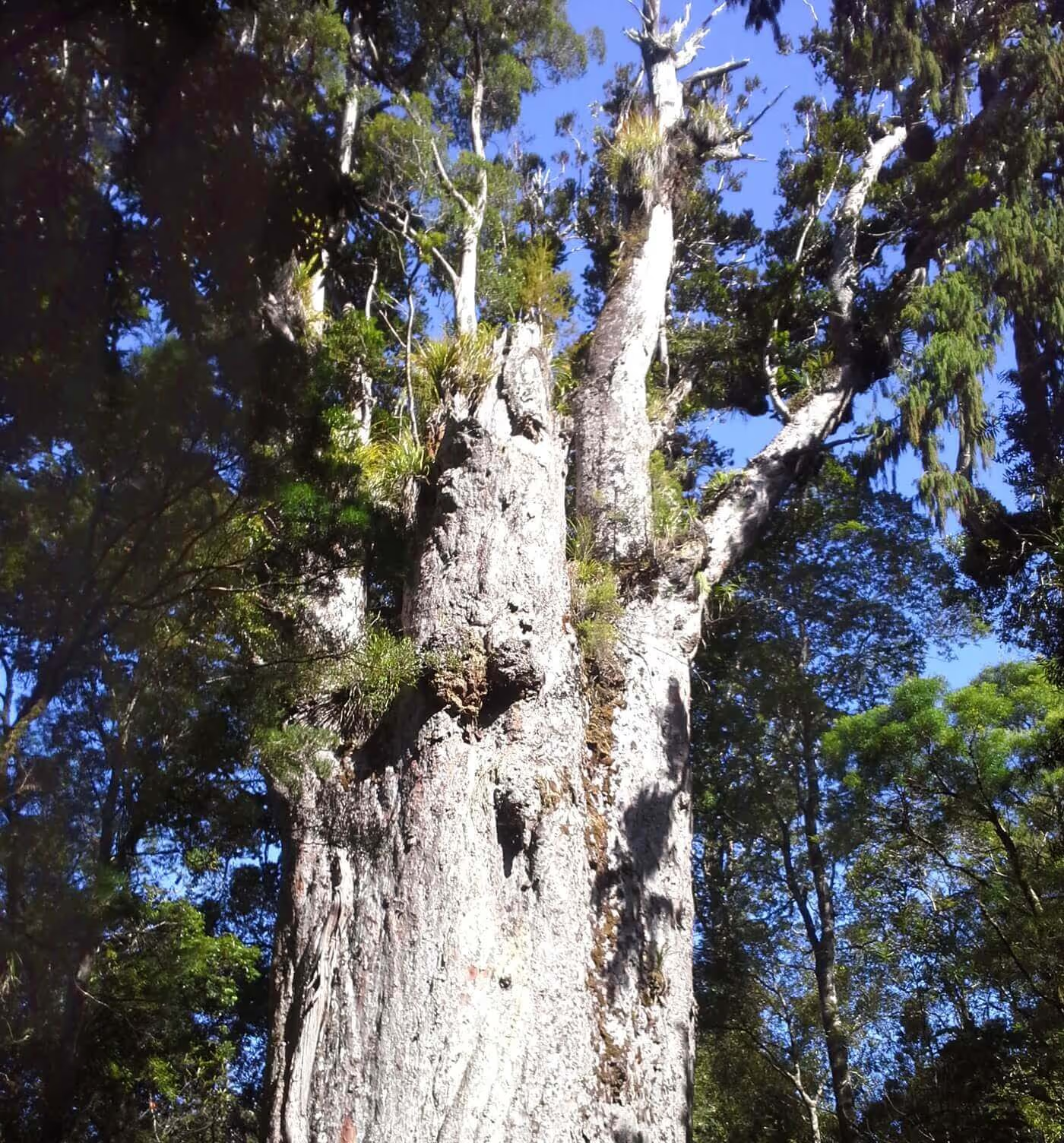
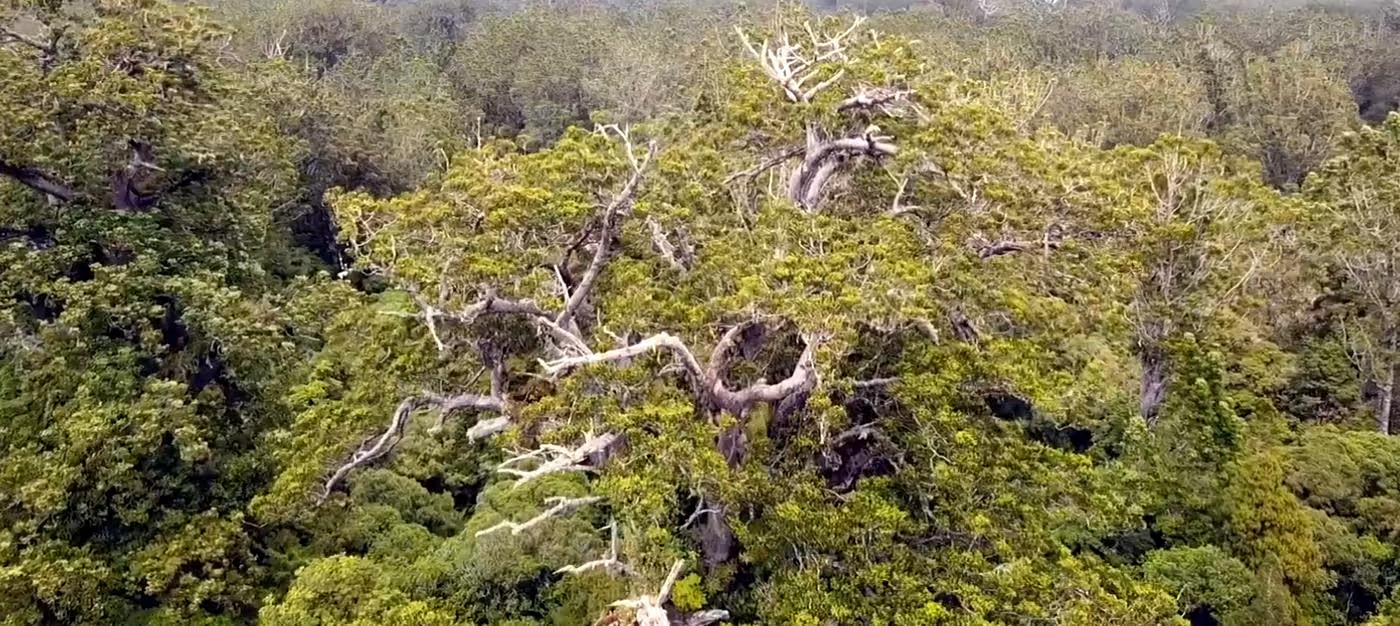
The most significant deposits are located in Northland. This area was once home to vast kauri forests that stretched across large parts of the North Island. Today, only remnants remain, particularly in regions such as Waipoua Forest, where some of the most famous and oldest living kauri trees stand. This origin from a clearly identifiable region gives the material a traceable geographical identity.
The Swamp Kauri used today is no ordinary solid wood. It comes from ancient tree trunks that were preserved for a very long time in bogs and swamps, sealed off from the air. As a result, the wood has been preserved for millennia and has developed exceptional density, depth of character, and stability. This subfossil preservation makes Kauri wood unique worldwide and clearly sets it apart from traditional solid woods.
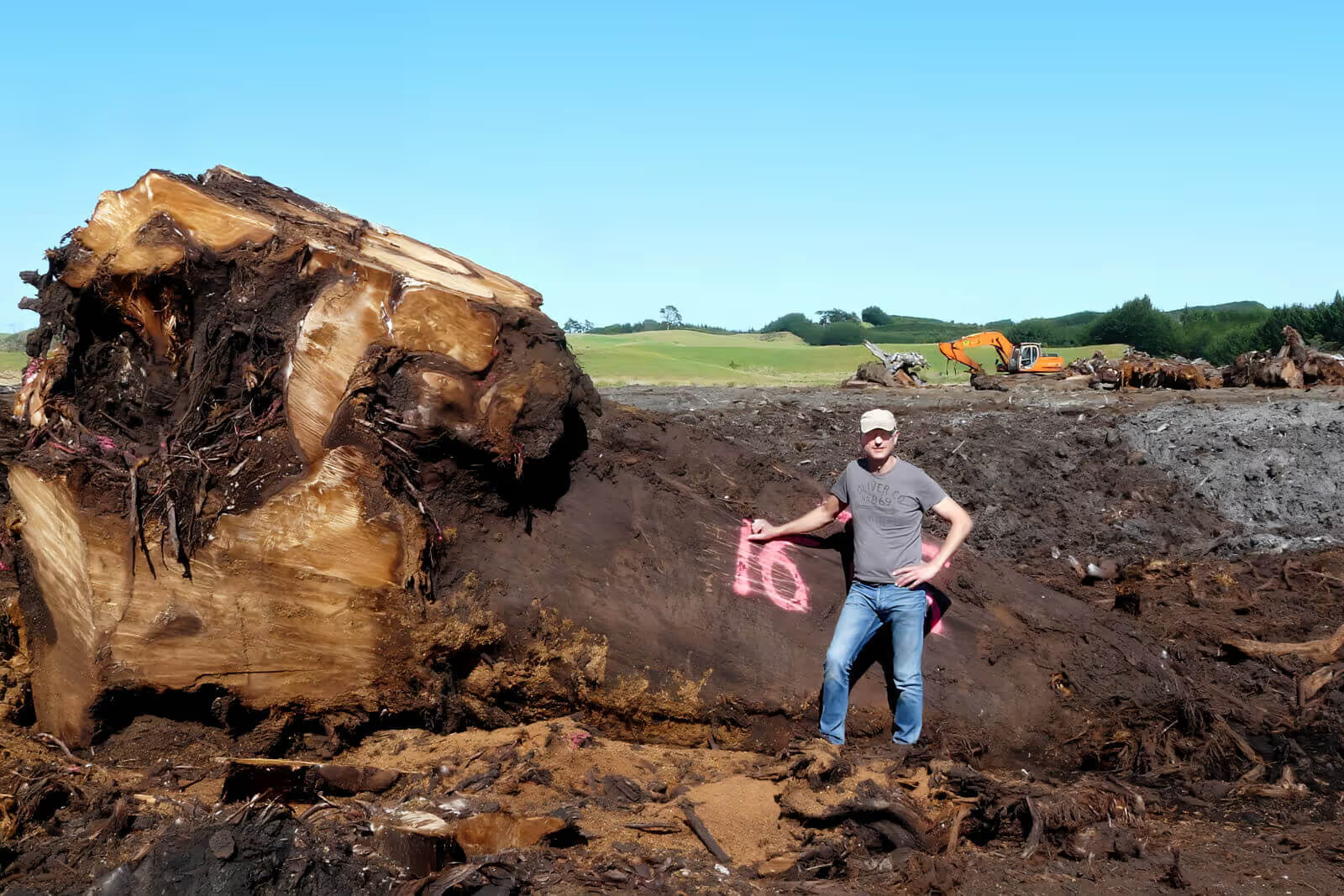
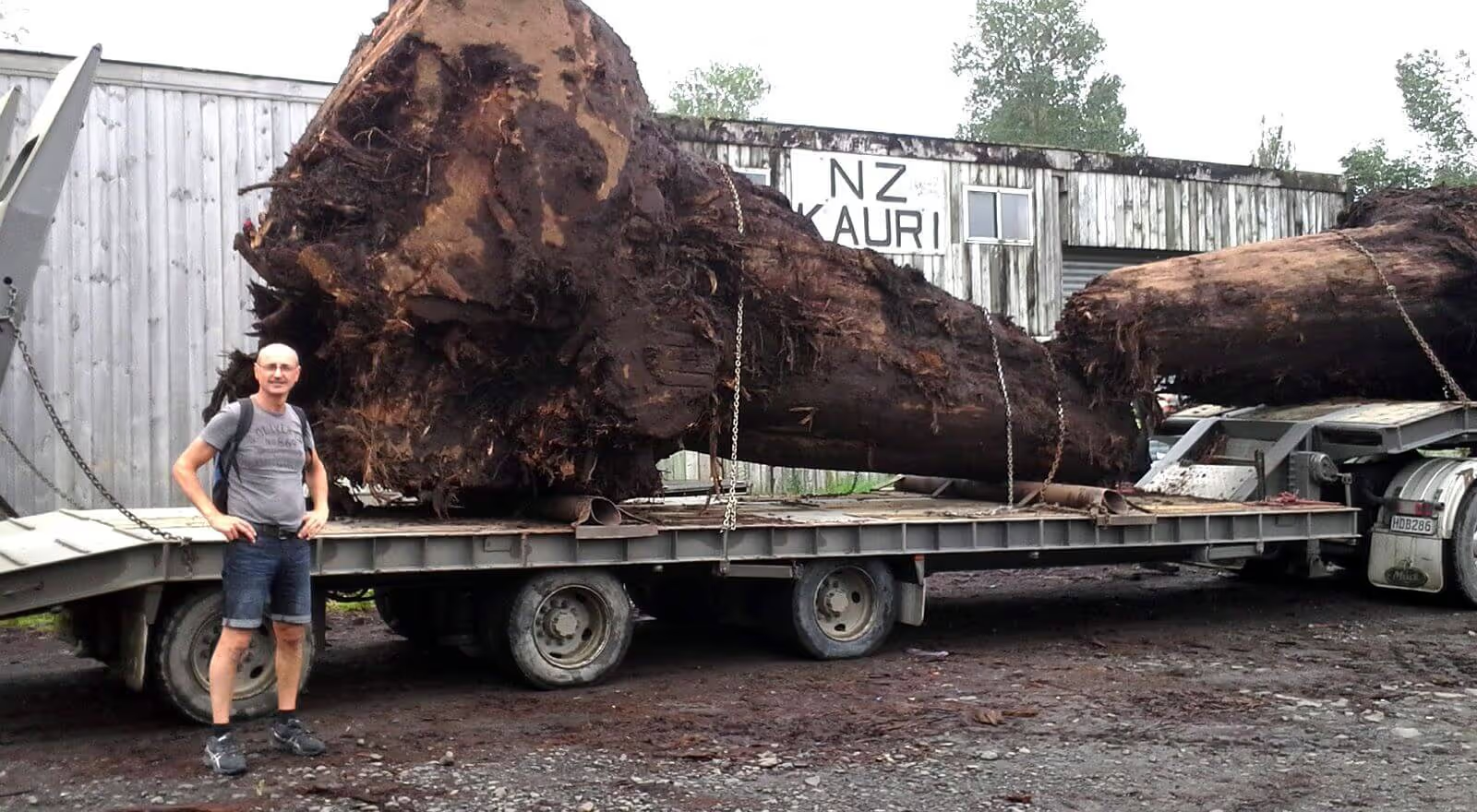
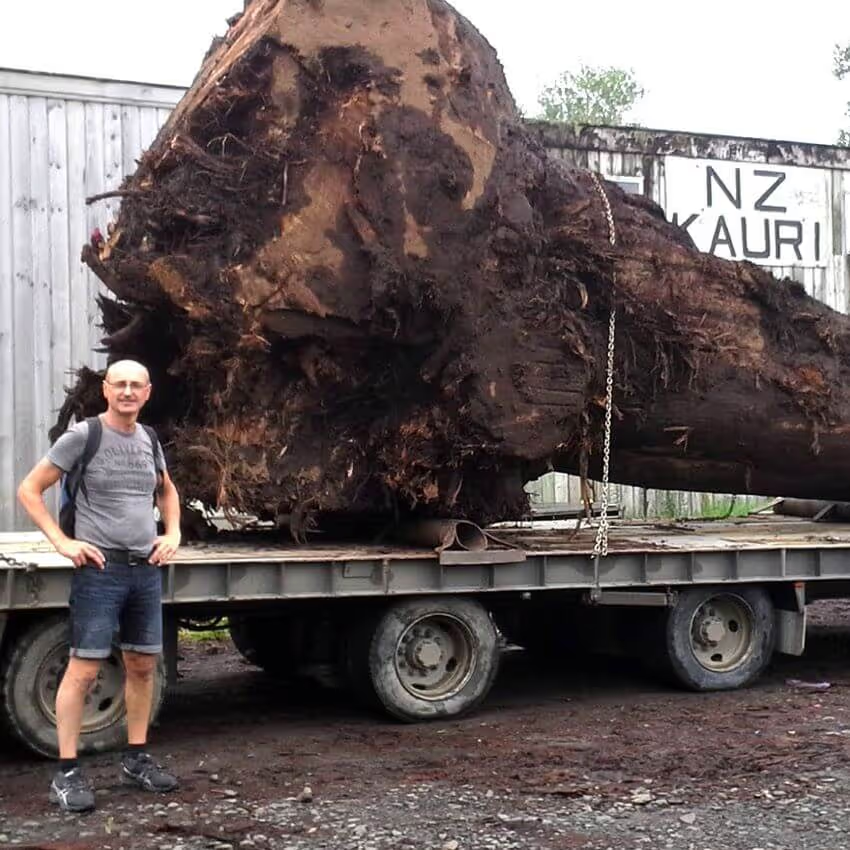
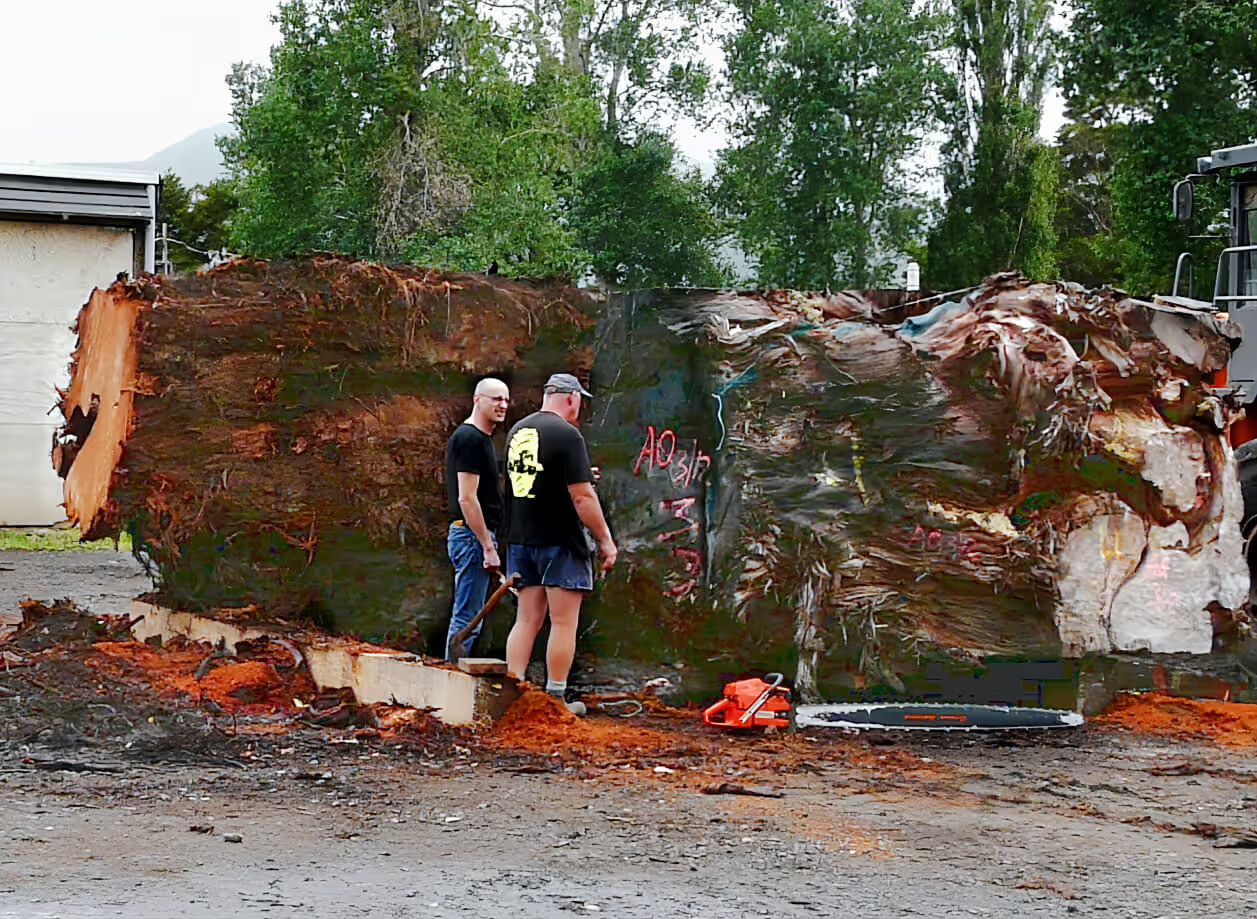
The extraction of large kauri logs requires heavy machinery and meticulous planning. Even at this stage, it is clear what extraordinary sizes will later be possible for exclusive solid-slab tabletops. The root and trunk segments have dimensions rarely found in other types of wood.

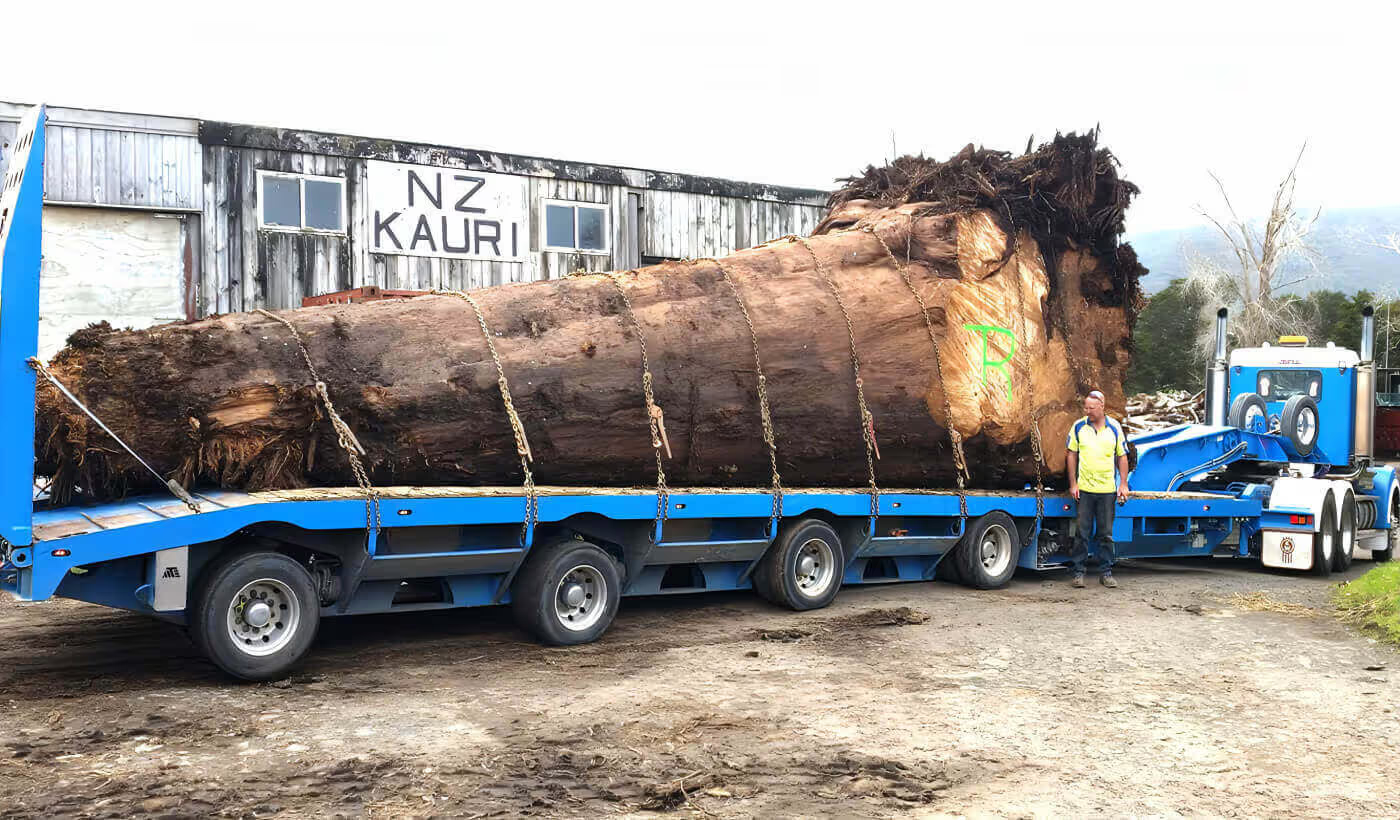
The logs being transported clearly demonstrate the monumental scale of the material. Due to its size and weight, kauri wood requires specialized transport solutions. These images vividly illustrate that we are not working with standardized lumber here, but with unique natural specimens.
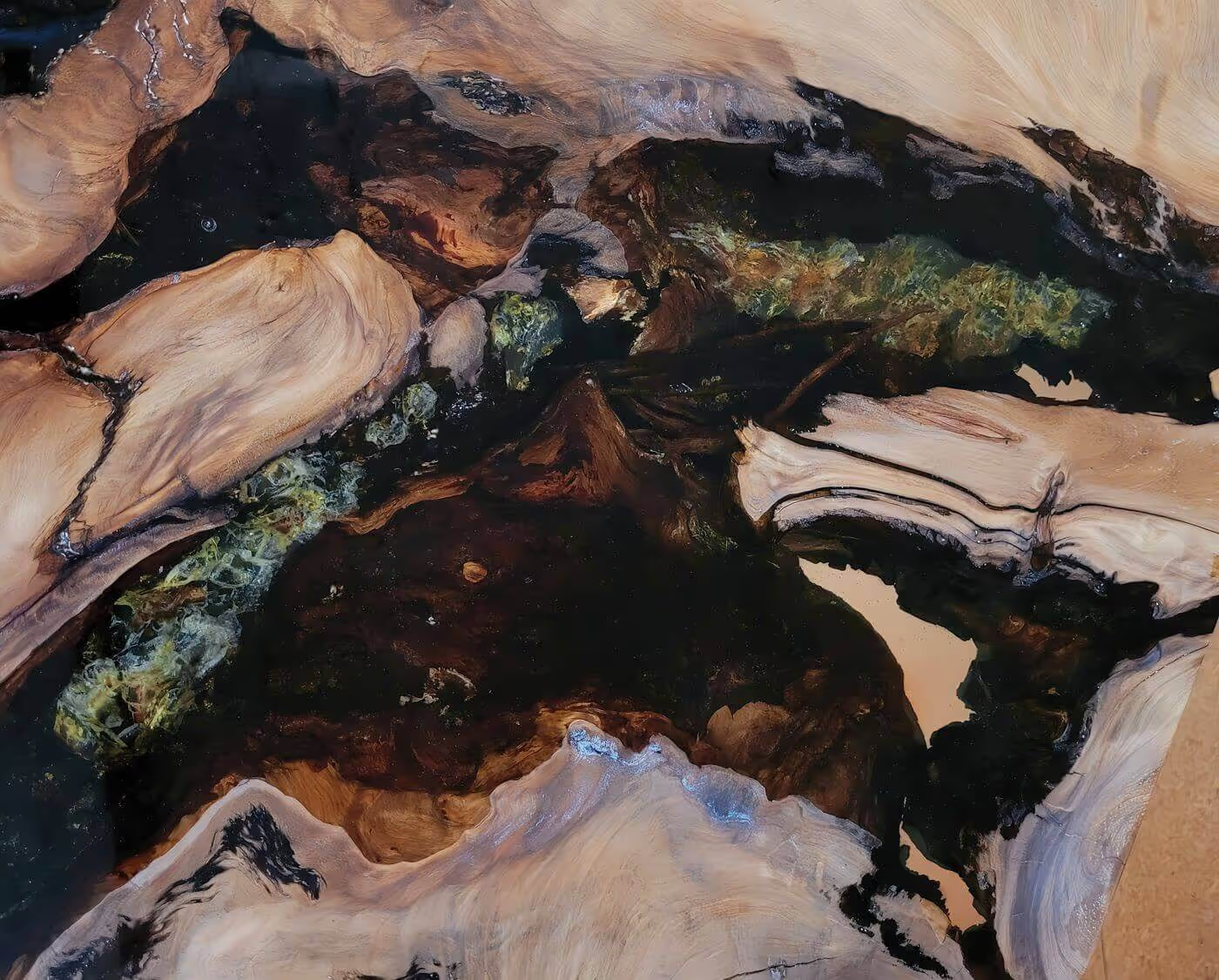
A distinctive feature of kauri wood is its natural resin and inclusion zones. Tree resin oozes from cracks and wounds, drips into the root, and hardens into amber over the course of millennia. Golden, dark, and translucent areas are created by embedded amber and bark, giving the wood an extraordinary depth. These natural inclusions transform the tabletops and root sections into unique visual patterns after processing.
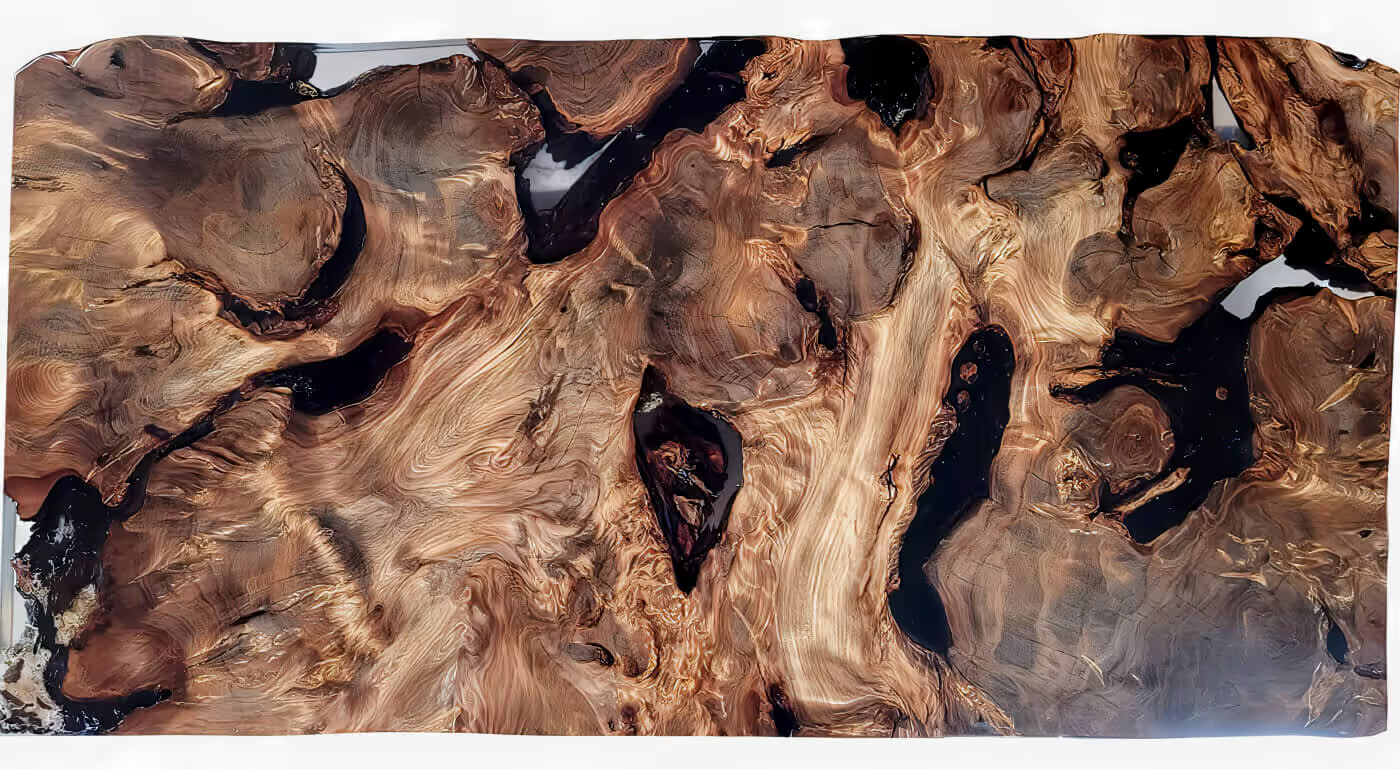
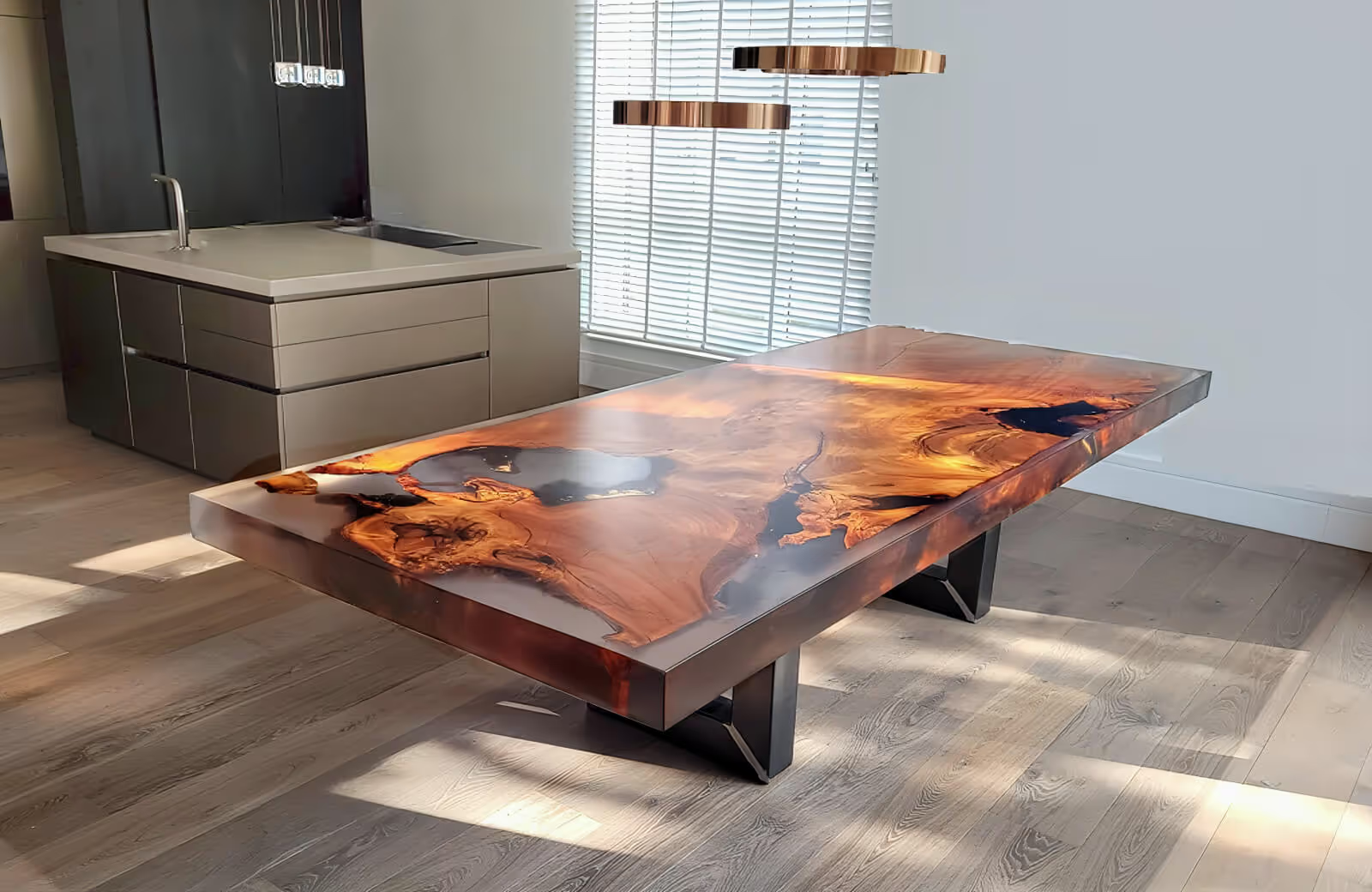
Kauri wood has an extraordinary visual impact. Smooth surfaces, flowing grain patterns, dark areas, and natural resin lines create a presence that clearly distinguishes it from other woods. In large-format tabletops, this results in a combination of tranquility, depth of material, and an artistic effect that is particularly appealing for high-quality furniture. The solid wood appears like a naturally composed painting—grown, compacted, and shaped over a very long period of time.
Kauri wood is also scientifically significant. The New Zealand government describes swamp kauri as a material that is important for research, radiocarbon dating, and understanding past environmental and climatic conditions. This connection fascinates me: The wood is not only ancient and ideal for crafting unique tables, but also tells us something about the conditions that allowed it to be preserved over such a long period of time. This gives kauri a depth that extends far beyond furniture making.
More about the scientific context

To better understand the history of this material and to truly experience its authenticity for myself, I traveled to New Zealand. It was only there that I truly came to appreciate the tranquility, grandeur, and history that this material embodies. My encounter with the ancient kauri trees and the landscapes of Northland has had a lasting impact on my work. What is impressive in photographs takes on a whole new depth in reality.
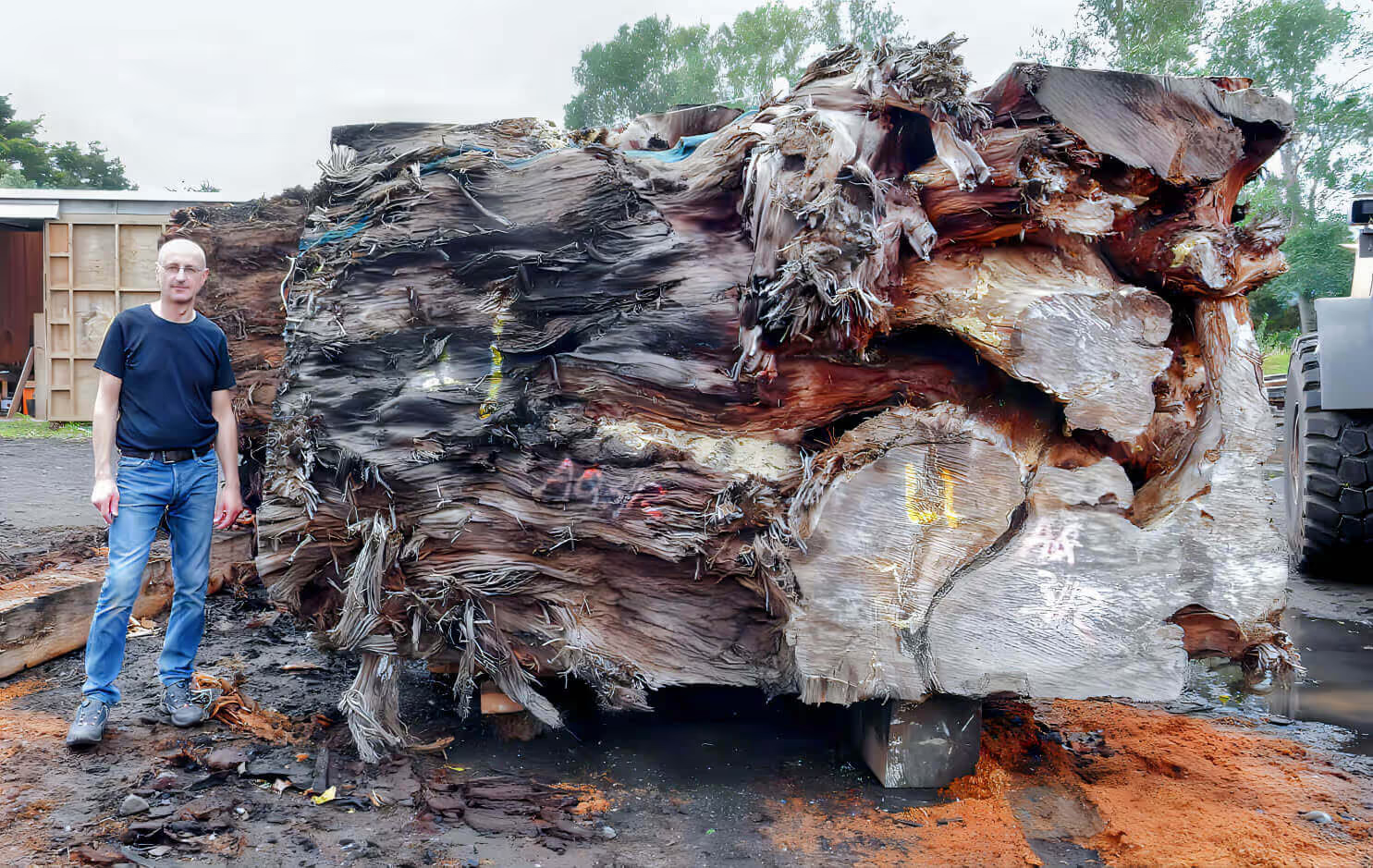
An important part of this trip was a visit to the Kauri Museum in Matakohe. There, the history of the kauri tree, its uses, and its significance for New Zealand are documented in a compelling way. For me, this visit was particularly meaningful because it brings together heritage, history, and material culture in a very authentic way.
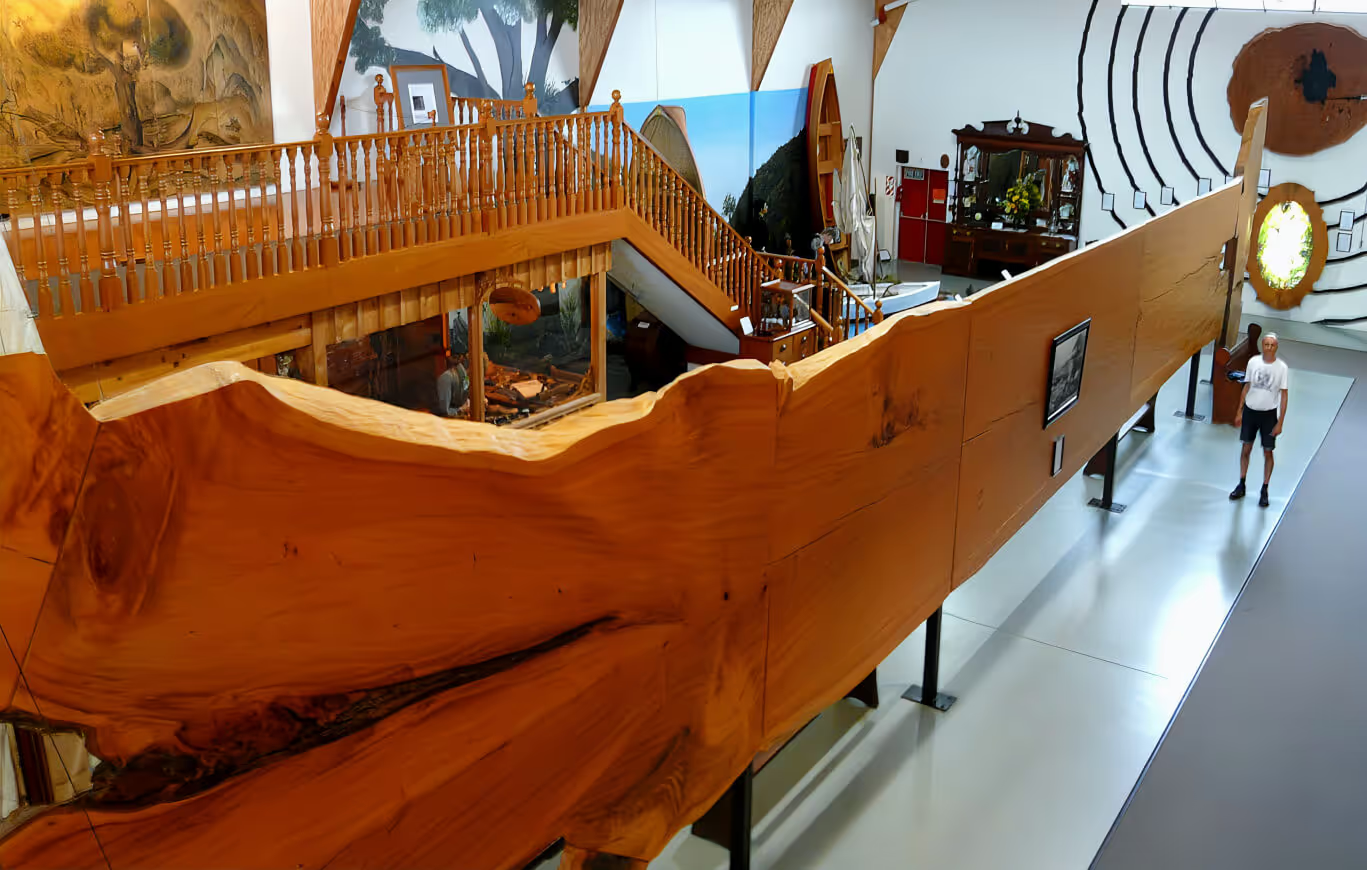
On site, I was able to see and compare individual pieces of wood firsthand and select them together with my partners. This personal selection is crucial because each table slat has its own grain, depth, and character. Through direct interaction, it becomes clear which blanks are suitable for exclusive conference tables, sturdy dining tables, or special one-of-a-kind pieces. For me, this selection process is a very important part of the entire process. It builds trust and ensures that not just any wood is shipped to Germany, but specifically the pieces that meet my standards in terms of shape, size, and character.
Once selected, the wood is prepared for transport to Germany and brought to my workshop. The journey from where it was found to the workshop further highlights the character of the material. What has been preserved in the ground in New Zealand for a very long time only begins its next phase as furniture after a long journey.
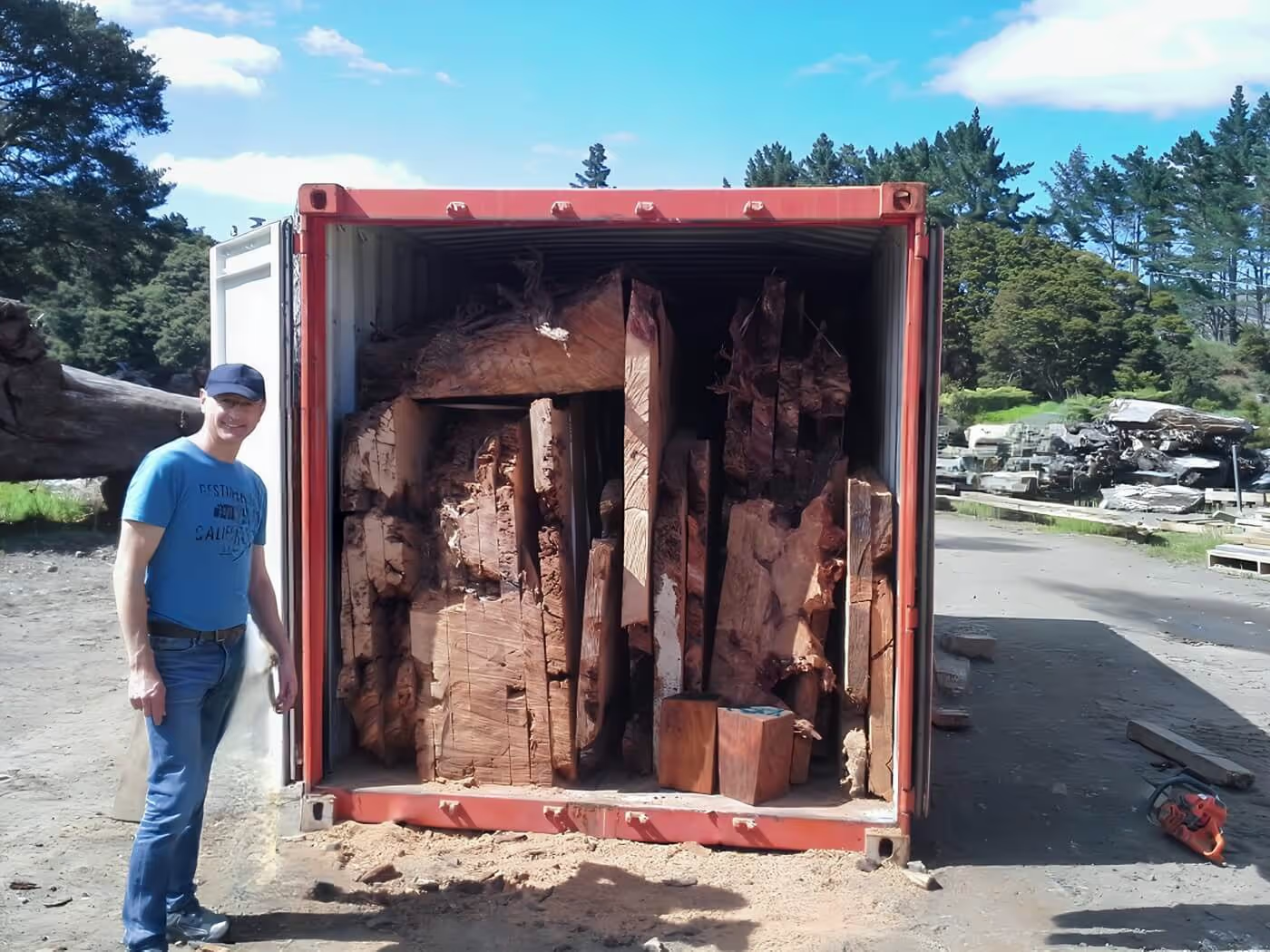
Before a piece of raw wood becomes a table, it undergoes initial cutting and technical evaluation. This is where it is determined whether a large slab of root or trunk wood can be transformed into a conference table, a dining table, or another piece of furniture. This step creates a very direct link between the material’s origin and its craftsmanship. The material arrives with its entire history intact, and the actual shaping process begins in the workshop, where a precise and functional piece of furniture takes shape.
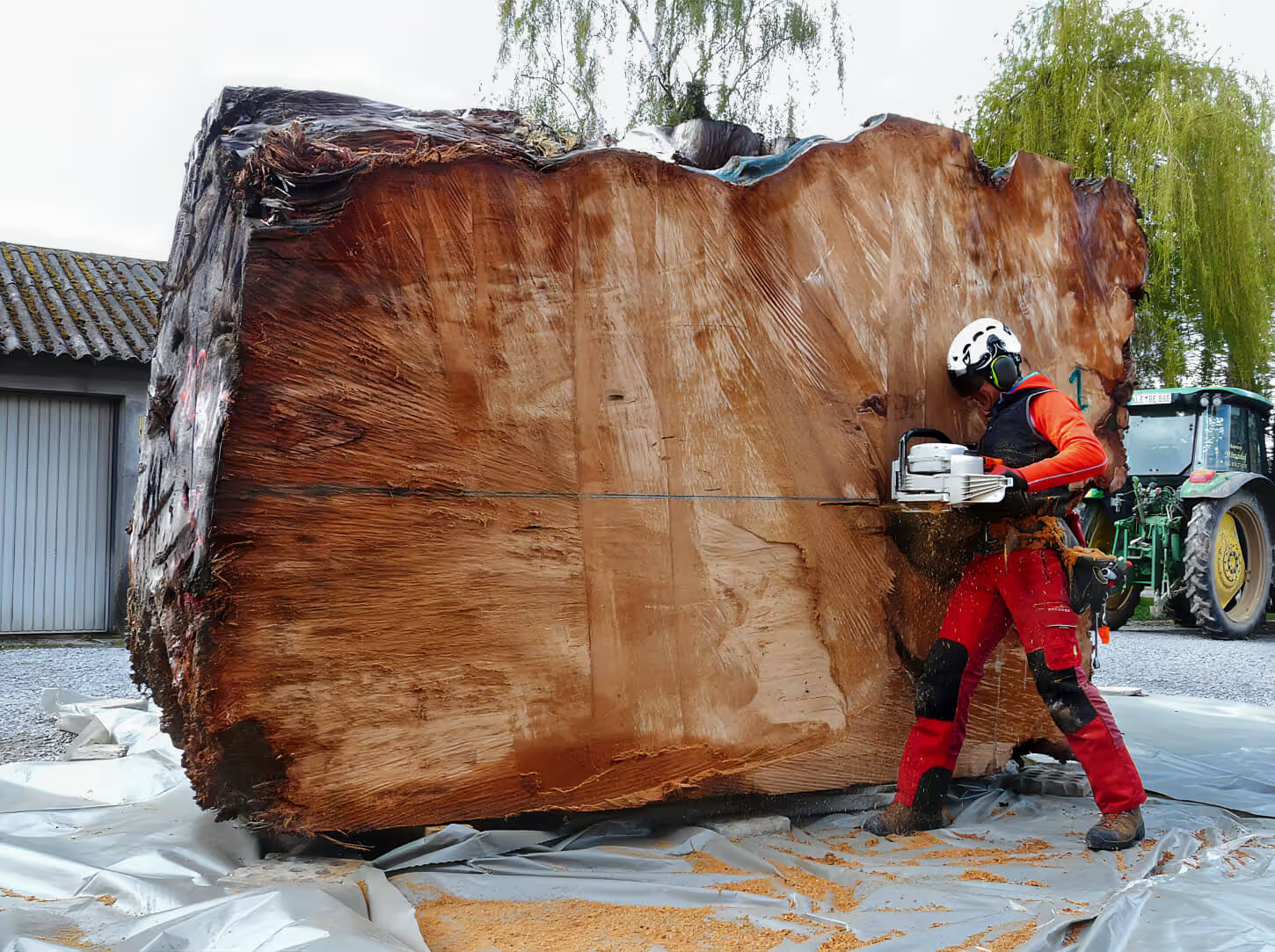
From this source, a documented, one-of-a-kind piece with its own serial number is created in my workshop. Each table carries the history of the material within it and is crafted in such a way that its origin, age, and form remain visible. It combines the history of New Zealand with precision craftsmanship and individual design. A piece of furniture with a traceable origin and a distinct identity is born from a historical natural find.


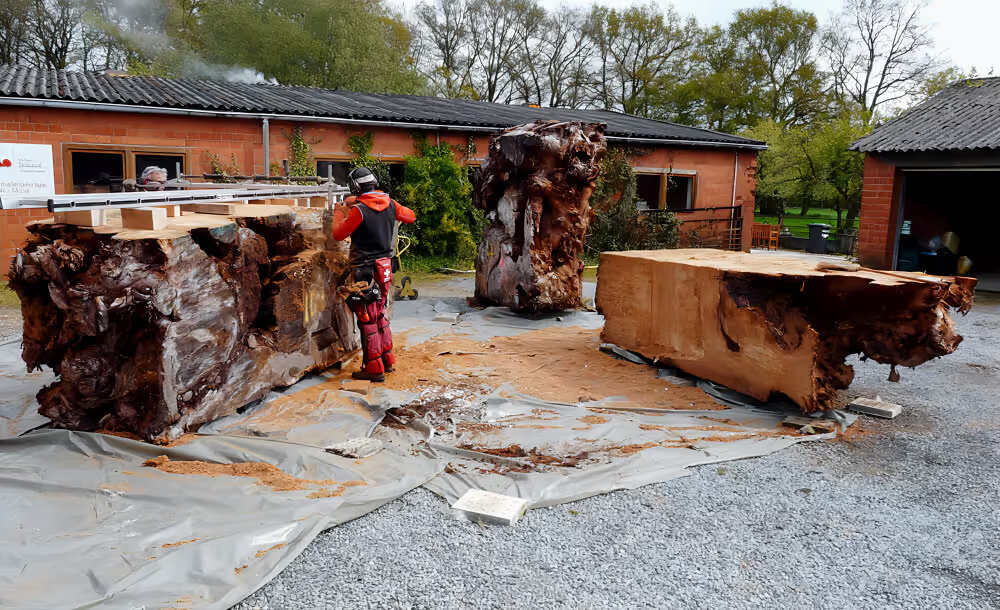


Crafted from subfossil kauri wood, these tables are designed to complement a wide range of high-end interior design concepts. They blend seamlessly into everything from medium-sized apartments to spacious lofts, as well as private residences, exclusive interior design projects, and prestigious corporate spaces.
From sculptural coffee tables to large-format dining tables, monumental conference tables, and unconventional boardroom tables, these pieces combine function, material depth, and spatial presence. Especially in open floor plans and architecturally clean interiors, the large-format tabletops—crafted from a single piece—unfold their extraordinary impact and give the space a unique identity.
The excavations, the massive kauri trunks and roots, the jungle-like forests, and the natural surroundings made my trip to New Zealand an unforgettable experience. The experiences I had the privilege of having in New Zealand make kauri wood, with all its facets, a truly special experience, and the crafting of tables from this fascinating wood feels authentic and genuine.
Handmade in Germany – all under one roof
Michael Beaupoil
{{version_4="/elemente"}}
%401x%20(3).svg)
%401x%20(3).svg)