
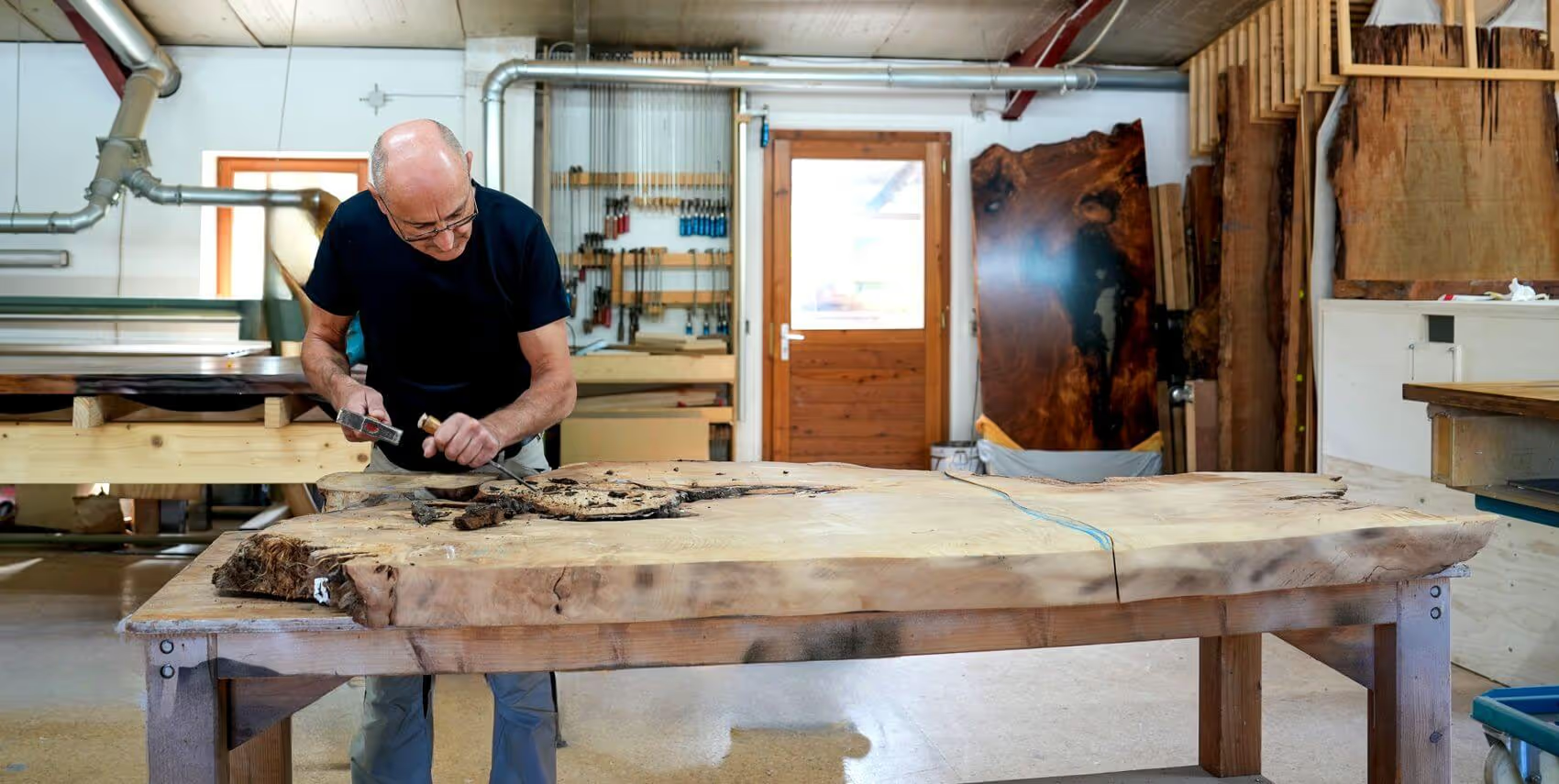

Handcrafted sculptural tables
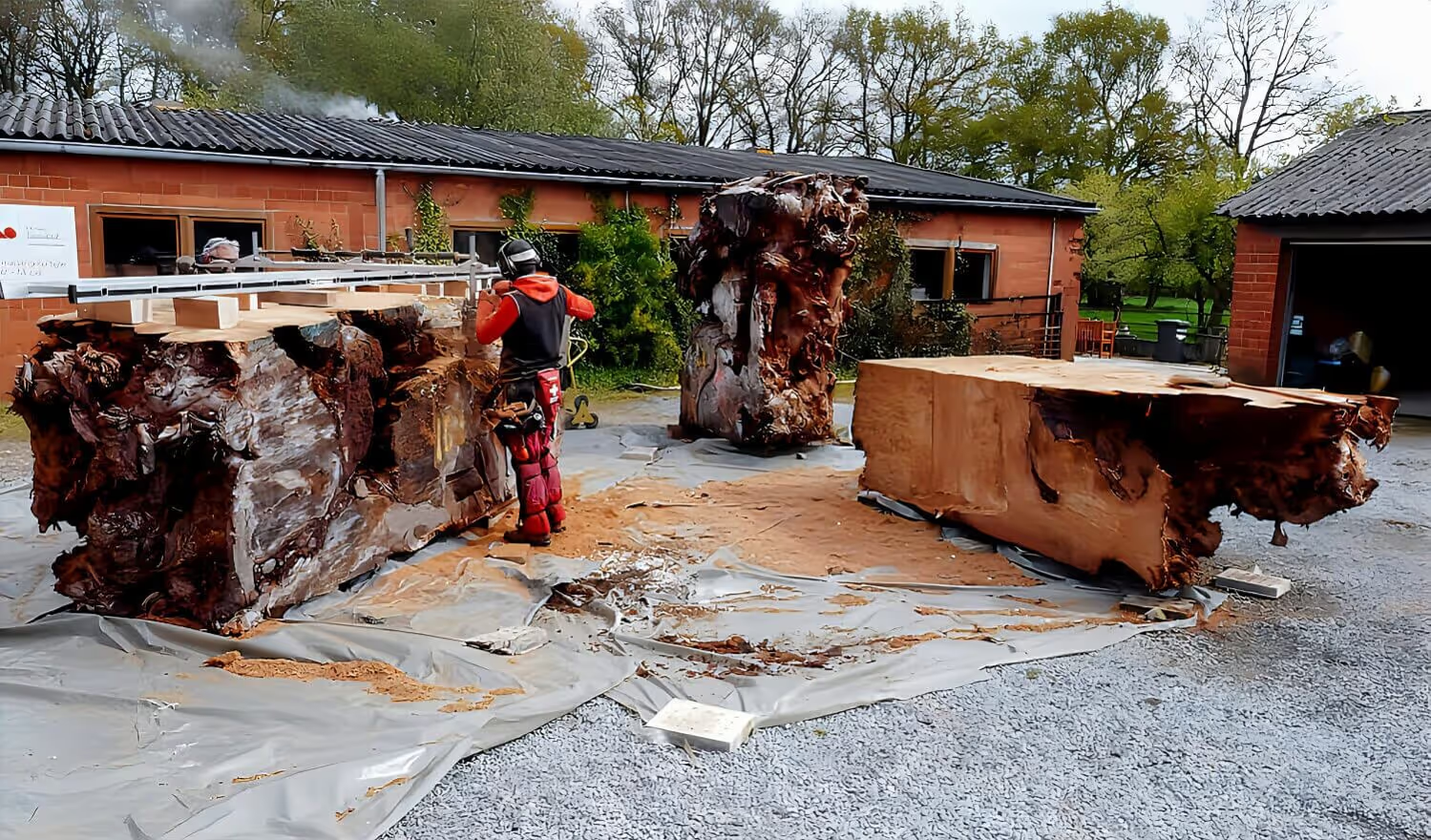
Kauri wood is no ordinary furniture wood; it is a subfossil natural material with a unique origin and great depth of character. Because solid wood reacts to moisture and can expand and contract during use, drying, stress relief, and careful processing are crucial. Only once the tabletop has been prepared can the raw piece of wood be transformed into a table that remains stable, sturdy, and durable for everyday use.

After air-drying, I bring each tabletop to about 8% moisture content in my drying chamber. This allows me to largely anticipate how the wood will move later in heated indoor environments. Wood absorbs moisture from the air and releases it again, which is why moisture content affects workability, dimensional stability, and surface quality.
I always consider the table’s future location as well. A solid-wood table that will be placed near a fireplace or exposed to strong sunlight requires particularly careful preparation. Only after this drying process does the actual processing of the tabletop begin.

Every piece of kauri wood is unique. The proportion of root wood, heartwood, and bark, as well as natural openings and internal stresses, determine how I proceed. It is not the machine that dictates the shape, but the material itself. This results not in a standardized finish, but in a process tailored to each individual piece.

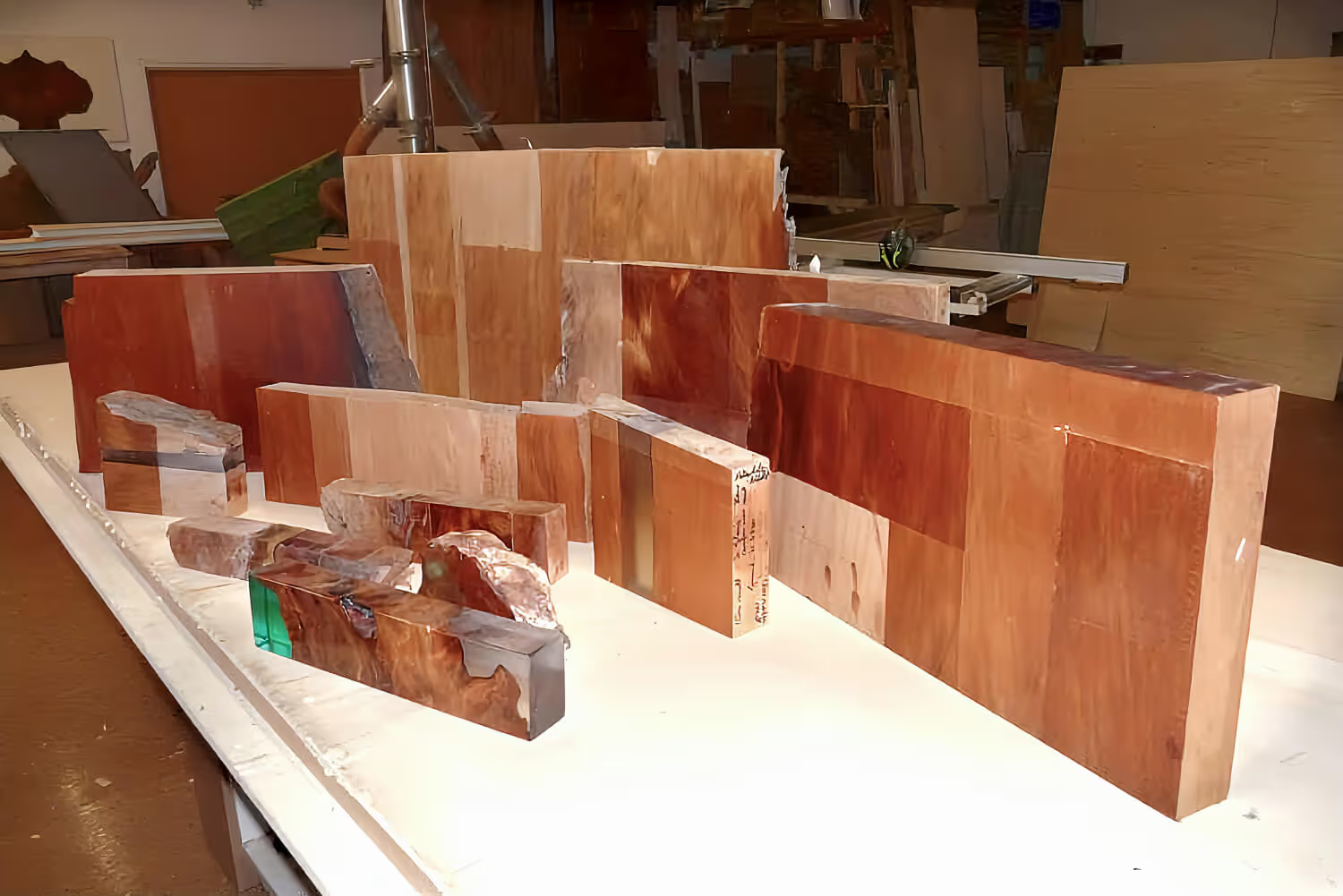
When working with kauri burl wood in particular, I approach the natural grain with great respect. Porous areas, cracks, natural openings, bark, root branches, and embedded amber remain visible and are stabilized with high-quality epoxy resin. This allows even large tabletops to be crafted from a single piece without losing their natural character.
It is this combination of natural form and technical reinforcement that makes the Root Tables so special. A dynamic, open structure gives rise to a solid unit with extraordinary depth and presence.
Learn more about tables made from kauri burl wood
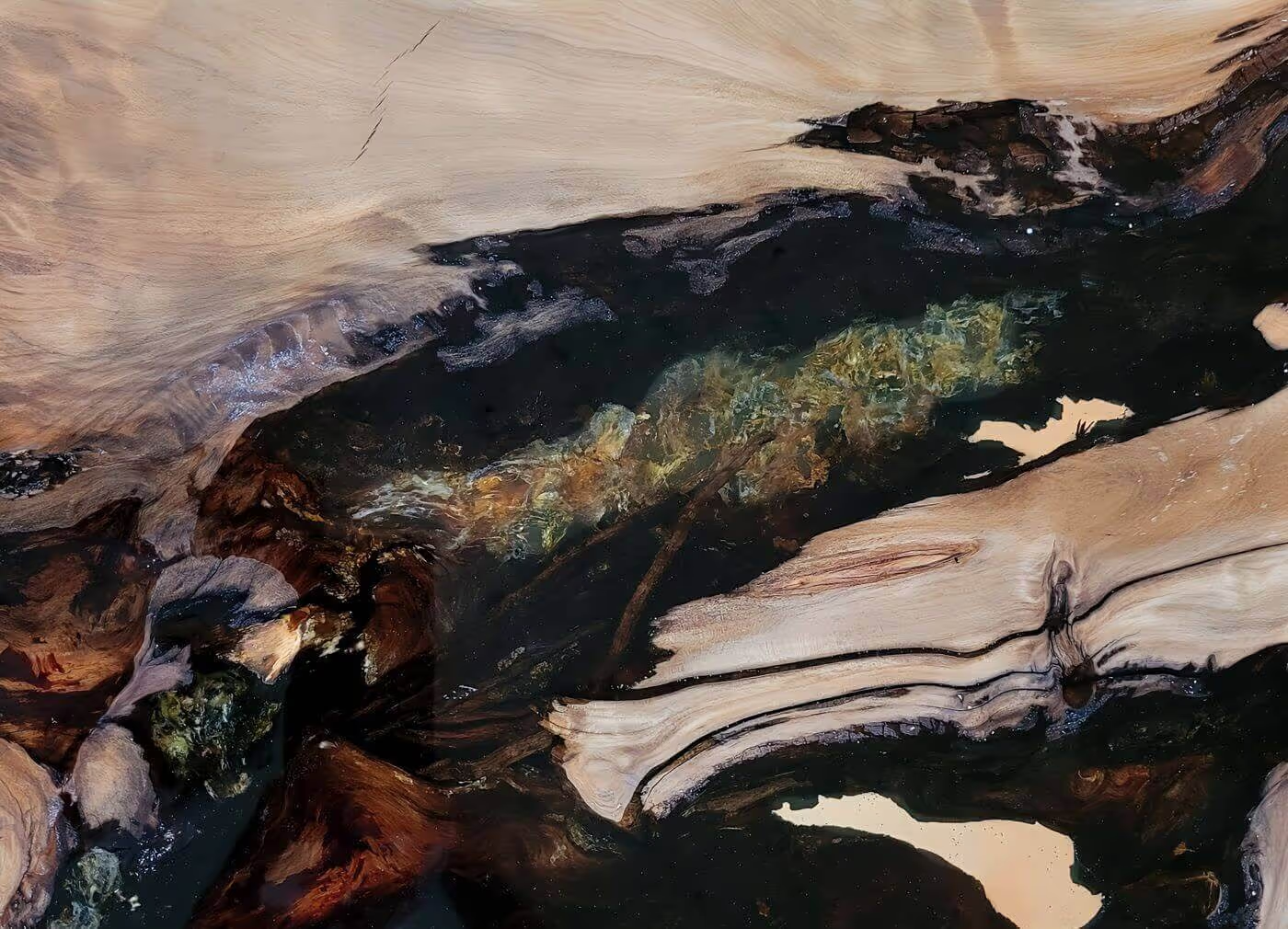
When working with the wood, I remove as little material as possible. Splinters and fibers are carefully removed, the natural edges are gently sanded, and the board is left in such a way that its natural shape remains visible. The solid wood should appear compact and sturdy while retaining its original character. The finished surface feels smooth and soft without losing its natural strength.
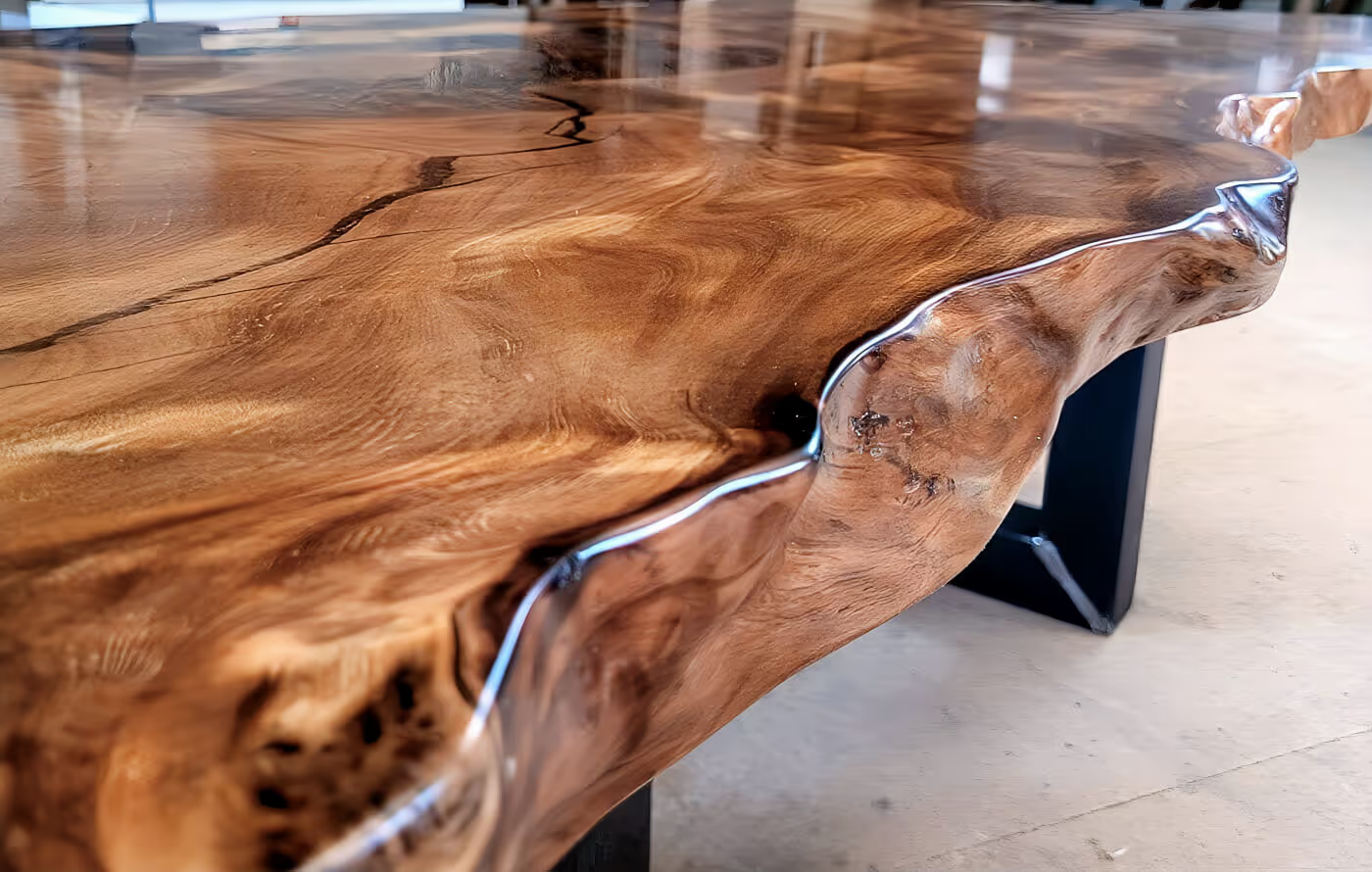
An important part of my work is highlighting the wood’s distinctive natural features. Inlaid amber, areas of bark, and natural openings are deliberately carved out by hand and left visible. These details give each slab its unique character and transform the table into a one-of-a-kind piece with a history of its own—one that goes far beyond the ordinary and would be nearly impossible to achieve with other materials.
Learn more about tables with inlaid amber

For tables that see heavy use, such as dining tables, I use durable surface treatments that protect the wood and preserve its natural appearance. A high-quality finish protects the wood from moisture and wear; on solid-wood tables, I also apply a very robust ceramic lacquer containing the finest ceramic particles to achieve a hard, soft-to-the-touch, and elegant surface. Good finishes aren’t just about appearance—they also provide protection against moisture and signs of wear.

Optimized through years of professional experience and numerous test runs, my Kauri tables—unlike standard solid wood tables on the market—do not need to be sanded down and re-oiled on a regular basis. The surface is designed to remain protected for a long time and offer high durability in everyday use. While wood, as a natural material, continues to expand and contract, this behavior is effectively controlled through the preparation and finishing processes.
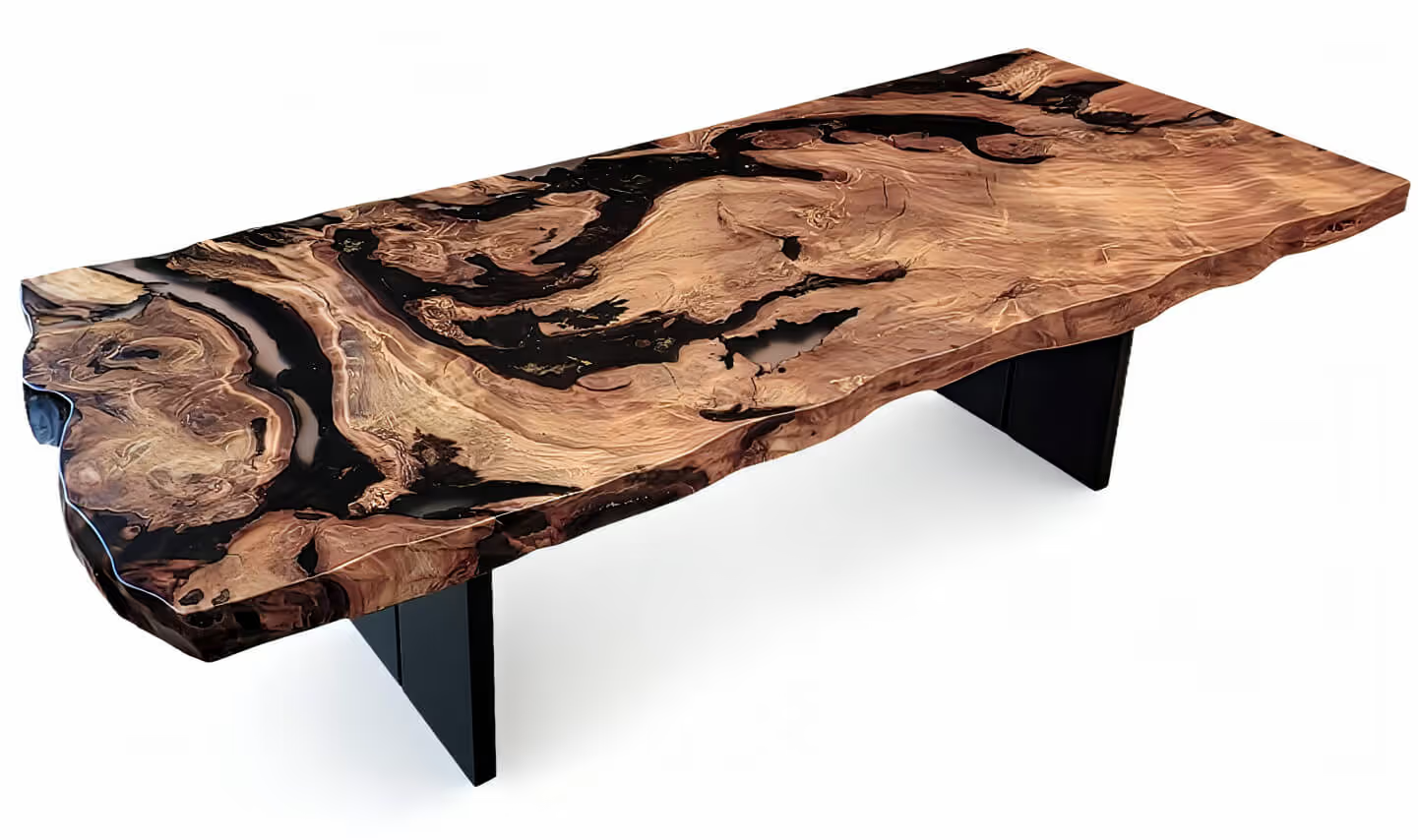
I handcraft every solid kauri wood table in my workshop in Goch. This process includes initial straightening and planing, shaping openings and bark areas, multi-layer resin treatment, edge sanding, surface sanding, and applying a protective finish to create a durable, moisture-resistant surface. Step by step, the raw material is transformed into a unique table—almost a work of art—perfect for everything from a stylish dining area to a sophisticated living room.
Each of my tables is stamped with a "One-of-a-Kind" seal and a sequential number. It also comes with a certificate of age documenting the origin and age of the tabletop. The naturally embedded amber and the exceptional wood grain make each table truly one-of-a-kind. This makes the uniqueness of the piece visible and verifiable.

I craft every table with passion, humility, and reverence for the unique kauri wood. I consider it a privilege to shape these naturally grown slabs into distinctive tables and give them their final form. For me, every kauri table—whether made from a trunk or a root—is a rare work of nature with a presence all its own.
Michael Beaupoil
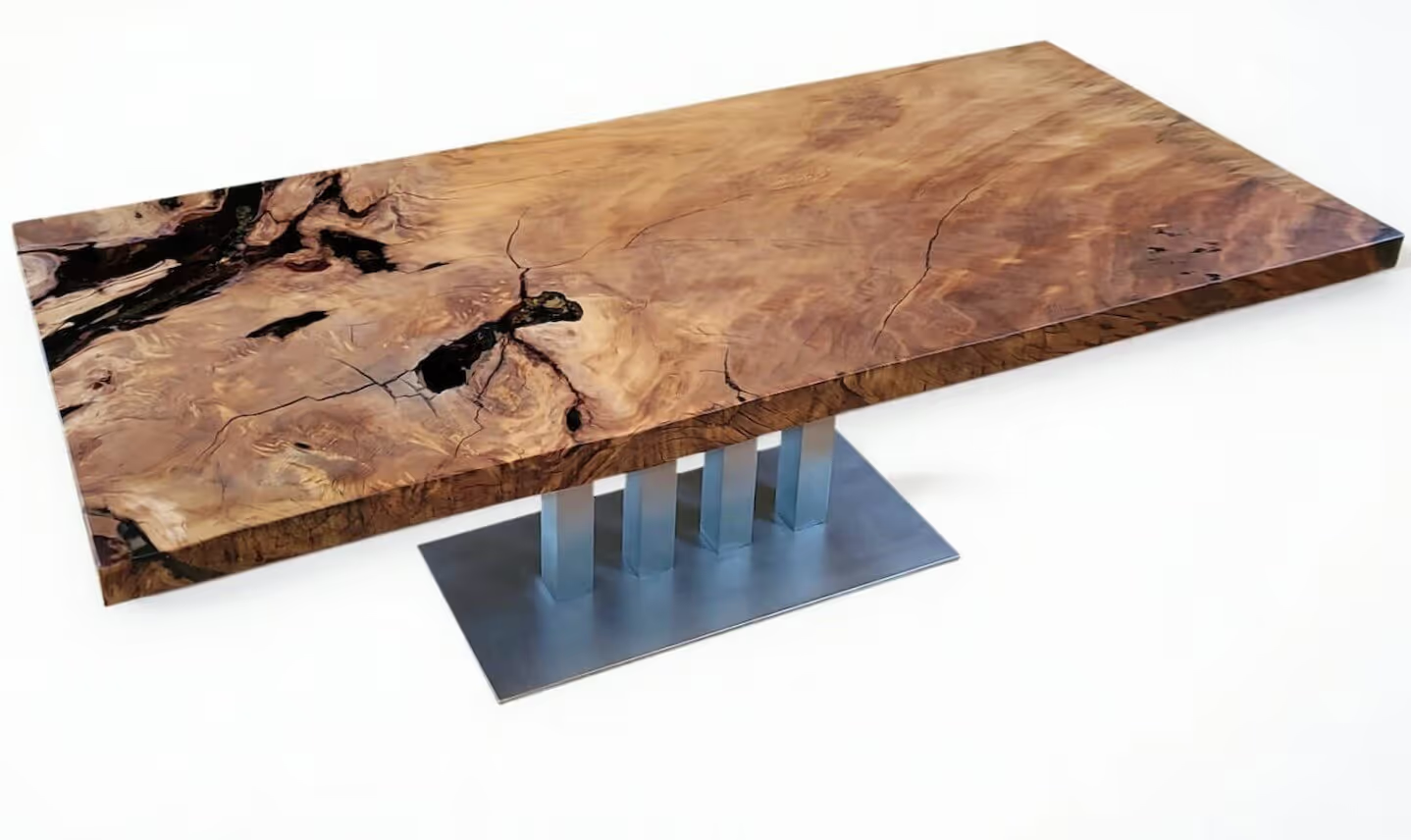
Thanks to the exquisite craftsmanship and the unique, distinctive qualities of subfossil kauri wood, you are acquiring a heirloom that retains its value—a collector’s piece with a lasting presence.
Learn more about the potential of real estate investment.
{{version_4="/elemente"}}
%401x%20(3).svg)
%401x%20(3).svg)